
Community Connections: Local Support Networks for Foster Youth


Understanding the Importance of Support Networks
Foster youth often face unique challenges as they transition into adulthood. A lack of stable family support can make this period particularly daunting. This is where community support networks step in, providing essential resources and guidance. These networks are vital in helping foster youth navigate life's complexities, offering everything from educational support to emotional guidance.
Support networks are not just about providing immediate aid; they are about building a foundation for a successful and independent future. By forming connections within the community, foster youth can develop the skills and confidence needed to thrive. This support can come from various sources, including mentors, local organizations, and peer groups.
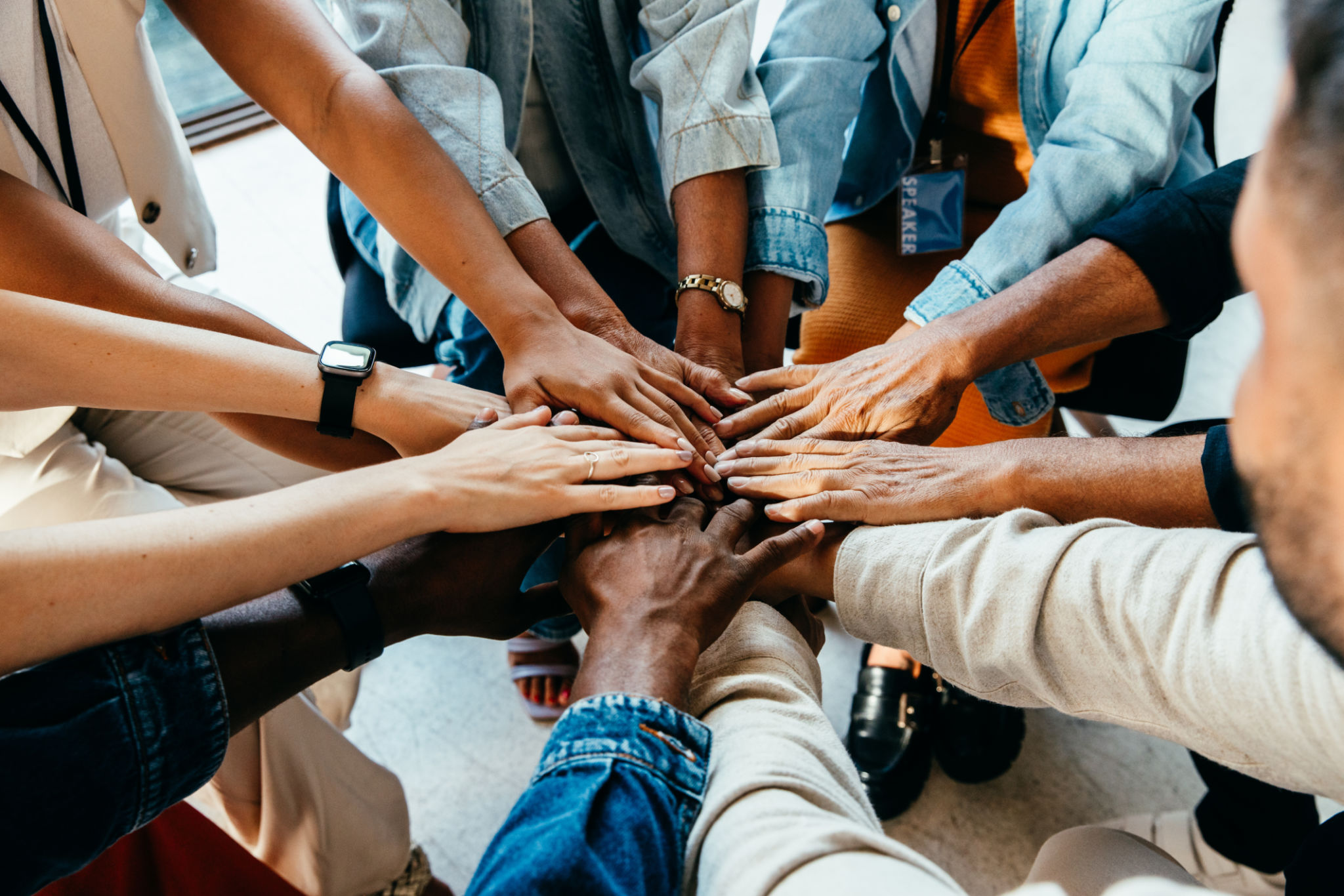
The Role of Mentorship
Mentorship programs are a cornerstone of support networks for foster youth. A dedicated mentor can offer personalized guidance, helping young people set goals and make informed decisions. These relationships often provide a sense of stability and trust that many foster youth lack. Mentors can act as role models, offering insights into career paths, education opportunities, and personal development.
Moreover, mentors can introduce foster youth to various community resources, expanding their network and increasing their access to opportunities. This can significantly impact their ability to achieve personal and professional aspirations.
Community Organizations and Their Impact
Local organizations play a crucial role in supporting foster youth. These groups often provide a range of services, including tutoring, job training, and financial literacy workshops. By collaborating with schools and businesses, community organizations can offer comprehensive support tailored to the needs of foster youth.

Many organizations also focus on advocacy, working to improve policies that affect foster youth. By raising awareness and pushing for beneficial changes, they help create a more supportive environment for young people transitioning out of the foster care system.
The Power of Peer Support
Connecting with peers who have shared similar experiences can be incredibly empowering for foster youth. Peer support groups offer a safe space for individuals to share their stories, express their feelings, and learn from one another. This sense of community can foster resilience and encourage positive growth.
In these groups, foster youth can find understanding and encouragement, reducing feelings of isolation. They can also exchange practical advice and celebrate each other's successes, building a sense of camaraderie that strengthens their overall support network.

Ways to Get Involved
There are numerous ways for community members to support foster youth. Here are a few:
- Volunteering: Offer your time and skills to local organizations that support foster youth.
- Mentorship: Become a mentor and provide guidance and support to a young person in need.
- Advocacy: Participate in advocacy efforts to improve policies affecting foster youth.
- Donations: Support organizations financially to help them expand their services.
By engaging in these activities, community members can make a significant difference in the lives of foster youth, contributing to a more inclusive and supportive society.